Planning Electrical Capacity for Heat Pumps and Major Appliances
Adding a heat pump, an electric vehicle charger, or even a modern induction range can change the electrical demands of a home more than many homeowners expect. The reason is simple: older electrical services were sized for a different mix of loads. Lights, a refrigerator, and a window air conditioner draw far less than a whole-house heat pump running alongside an EV charger and a dryer. Before you invest in new appliances, it helps to understand what an electrical service upgrade involves and why it often becomes necessary.
What is an electrical service upgrade?
An electrical service upgrade means increasing the capacity of the equipment that brings electricity from the utility lines into your home. That equipment includes the service drop or underground cable, the meter, the main panel, and the main breaker. Together they limit how much power you can safely draw at one time. If your new heat pump and your EV charger try to pull more than that limit, the main breaker will trip or, worse, the wiring could overheat. An upgrade replaces or augments these components so they can handle a higher electrical load.
Some people confuse a service upgrade with adding a subpanel or running a new dedicated circuit. A dedicated circuit is simply a single circuit for one appliance, like a heat pump or an EV charger. That is often needed too, but it does not increase the total capacity of the main service. If your main breaker is already at its maximum, adding more circuits does not help. The service upgrade addresses the bottleneck at the very start of your home's electrical system.
Why heat pumps and electric appliances change the picture
Heat pumps are efficient, but they still draw significant current, especially in cold weather when the backup heating elements may kick in. An electric vehicle charger is a continuous high load that can run for hours. Add an electric dryer, a cooktop, and a water heater, and the total load can easily exceed what a typical 100-amp or 125-amp service can provide.
The key calculation is the load calculation, which adds up all the potential loads in the home and applies standard demand factors to find the likely peak. A 200-amp service is common for newer homes, but many older homes in the Bay Area still have 100-amp or even 60-amp services. If you are planning to install a heat pump and an EV charger, you almost certainly need a load calculation to see where you stand.
How the upgrade works in practice
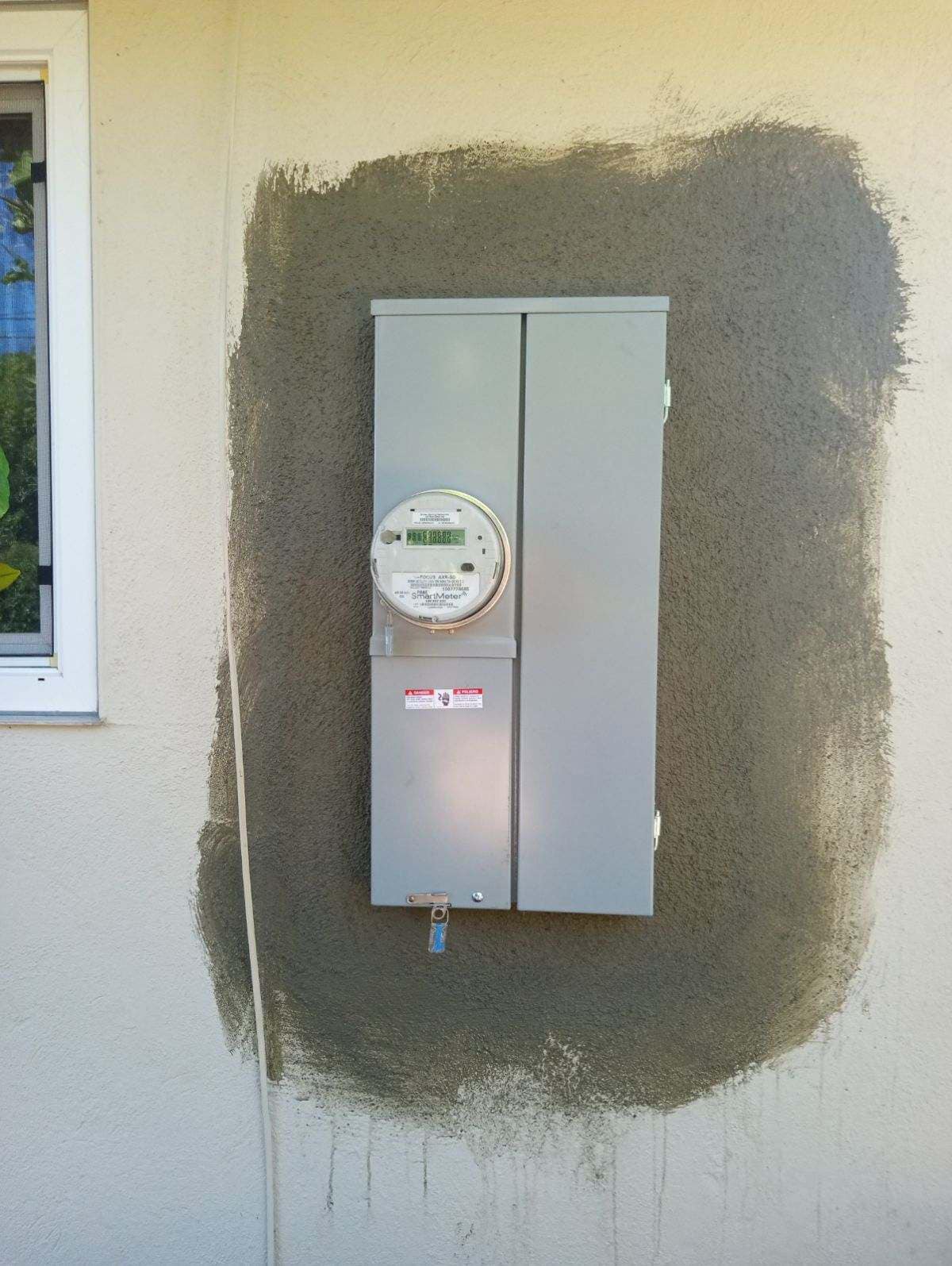
An electrical service upgrade typically involves several steps. First, a qualified electrician assesses the existing service size and the condition of the panel and meter. Then they perform a load calculation based on the appliances you have and any new ones you plan to add. If the calculation shows that the existing service is too small, the next step is to coordinate with the local utility to increase the service capacity. That may involve upgrading the meter base, replacing the main panel, and installing a larger main breaker. In some cases, the service entrance cable also needs to be replaced.
One common misconception is that a service upgrade is only about the main breaker. The whole path from the utility transformer to your appliances must be rated for the new capacity. That includes the meter socket, the panel bus bars, and the wiring. A qualified professional will check each component.
The work is not something a homeowner can do themselves. Utility coordination, permits, and safety requirements make it a job for a licensed electrician. Wooding Electric provides electrical panel assessments, upgrades, replacements, and related electrical capacity work for homes and businesses in Santa Clara and nearby Bay Area communities. Their electricians can evaluate your current service and help you understand what an upgrade would involve.
Signs you may need an upgrade
You do not have to wait until the main breaker trips to know you need more capacity. Common signs include:
- Frequent tripping of the main breaker when multiple appliances run at the same time
- Dimming lights when the heat pump or EV charger starts
- A panel that is full with no space for new circuits
- An old 60-amp or 100-amp service label on the meter
- Plans to add a large appliance like a heat pump, EV charger, or electric water heater
If any of these sound familiar, a load calculation is a good next step. It does not require any commitment and gives you a clear picture of your home's electrical limits.

Trade-offs and practical considerations
An electrical service upgrade is not a small project. It involves the utility, permits, and some disruption to your home's power during the work. The cost varies depending on the distance from the transformer, the condition of the existing equipment, and local utility requirements. However, the alternative can be more frustrating: living with frequent breaker trips or being unable to run your heat pump and charge your car at the same time.
One alternative to a full upgrade is load management. Some EV chargers and heat pumps can be set to share a circuit or to shed load when another appliance is running. A smart panel or a load-shedding device can help, but these solutions add complexity and may not solve a severely undersized service. For many homes, a straightforward service upgrade is the most reliable long-term solution.
Another consideration is future-proofing. If you plan to add solar panels, a battery system, or additional electric appliances later, it makes sense to size the new service for those future loads now. A 200-amp service is often a good target for a typical single-family home with an EV and a heat pump. Going larger may require a transformer upgrade from the utility, which adds cost and lead time.
What the process looks like for the homeowner
If you decide to move forward, the process generally follows these steps:
- A licensed electrician performs an on-site assessment and load calculation.
- The electrician coordinates with the utility to determine if the existing service drop and transformer can support the new capacity.
- Permits are obtained from the local building department.
- The electrician replaces the meter base, panel, and main breaker as needed.
- The utility upgrades the service drop and meter if required.
- Final inspection and approval from the building department.
Wooding Electric handles these steps for homeowners in the Santa Clara area, from the initial assessment to the final inspection. Their electricians can explain each stage and give you a realistic timeline based on your specific situation.
Final practical advice
Start with a load calculation before you buy any new appliance. It costs little and can save you from buying a heat pump that you cannot run without an upgrade. If you do need an upgrade, plan for it as part of your appliance budget. The upgrade itself is a one-time investment that makes your home ready for the electric future. And if you are considering solar or battery storage, factor that into the service size from the beginning.
An electrical service upgrade is not glamorous, but it is the foundation that makes everything else work safely and reliably. Taking the time to understand your home's capacity now means fewer surprises later.